A fresh polish can make a crashed car look showroom-clean. Under the shine, there may be filler, welded panels, or a bent structure that changes how the car protects you in another crash. Most buyers only find out when they try to sell, or when an insurer asks questions.
A used car has likely had major body repairs if you see uneven panel gaps, paint that reads much thicker on some panels, overspray on rubber or trim, tool marks on body bolts, non-factory welds or sealer, mismatched glass or lights, or uneven tyre wear and steering pull. One sign can be minor. Several together usually point to a serious past accident.
How Paint Thickness Exposes Hidden Repairs
Paint depth is the most reliable way to spot repair work. Most factory paint measures roughly 100 to 180 microns across the whole car. A reading consistently above 200 microns suggests a second layer of paint, and values above 300 to 500 microns usually mean body filler under the paint, as explained by Engineer Fix. A difference of 40 microns or more between neighbouring panels is also a warning sign.
Paint reading100 to 180 microns
- What it usually means
- Original factory paint
Paint readingBelow 75 microns
- What it usually means
- Heavy polishing or thin clear coat
Paint reading200 to 300 microns
- What it usually means
- Panel repainted once
Paint reading300 to 500 microns
- What it usually means
- Repaint over light body repair
Paint readingAbove 500 microns
- What it usually means
- Thick body filler under the paint
Aluminium panels and plastic bumpers need the right gauge or a different method. A professional inspector measures every panel and compares it with the roof, which is rarely repainted.
The 7 Warning Signs to Check
Uneven Panel Gaps
Factory gaps between doors, bonnet, boot, and wings are tight and even. Look along each seam. If one side of the bonnet is wider than the other, or a door sits proud of the wing, the panel may have been removed, replaced or straightened.
Paint That Does Not Match
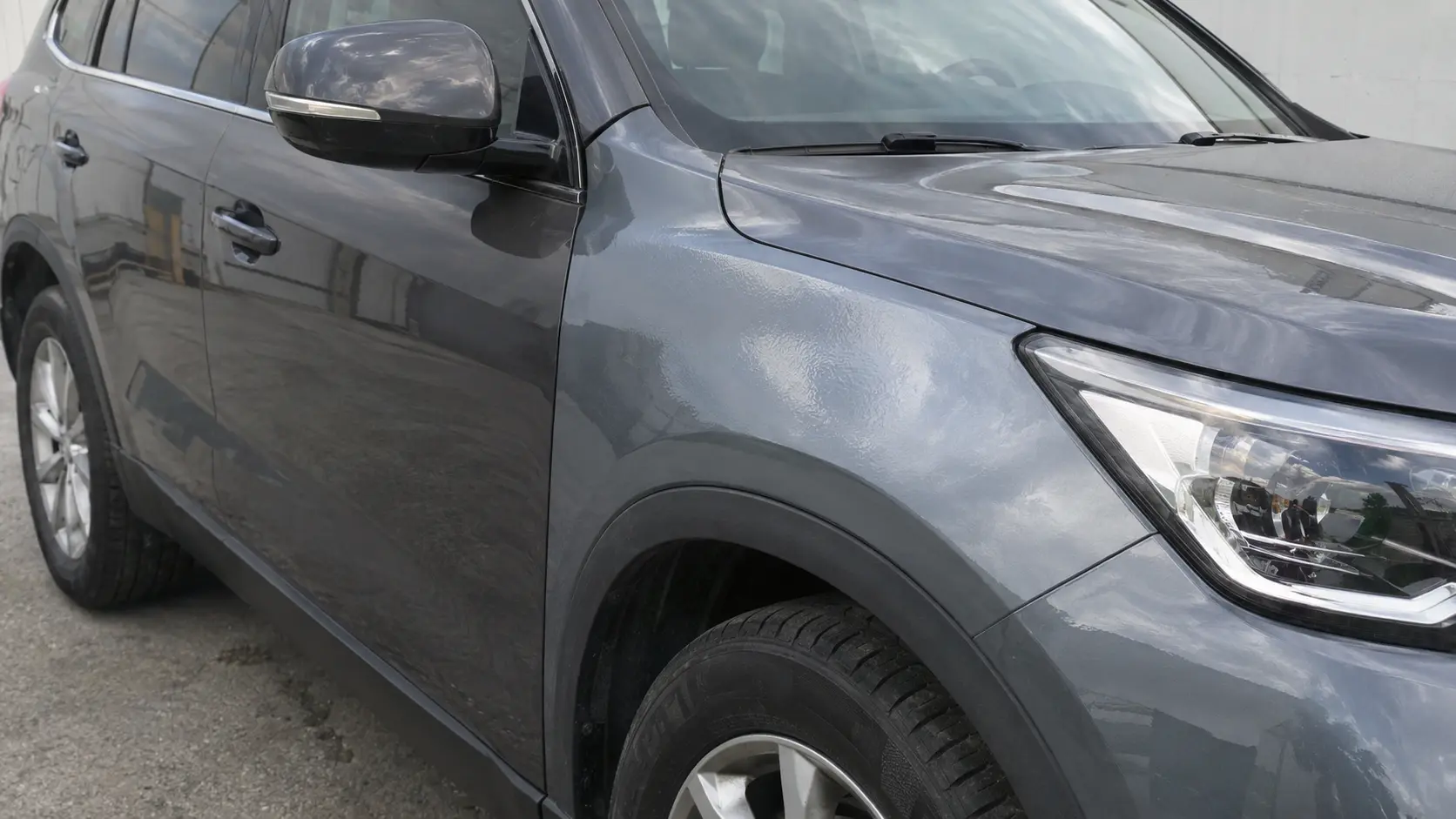
Check the car in daylight from several angles. A panel that looks slightly lighter, darker or more orange-peeled than its neighbour has probably been resprayed. Metallic and pearl paints are especially hard to match.
Overspray on Rubber, Trim and Glass
Painters mask the car before spraying, but traces often slip through. Look for paint mist on door rubbers, window seals, badges, plastic trim and the edges of glass. Overspray under the bonnet or inside door jambs is another giveaway.
Tool Marks on Body Bolts
Wings, doors, bonnet and boot lid are held by painted bolts. At the factory, these are painted over and never touched. Chipped paint, spanner marks, or different bolts on one side mean that panel has been removed.
Non-Factory Welds and Seam Sealer
Open the boot, lift the carpet and check the spare wheel well, the inner wings and the chassis rails under the bonnet. Factory seams are neat and uniform. Rough welds, fresh sealer, kinks in rails or new metal in odd places point to structural repair.
Mismatched Glass, Lights and Labels
Every window carries a small date code. One window with a newer date than the rest may have been replaced after an impact. The same goes for headlights, airbag labels, and missing VIN or body stickers on door pillars.
Uneven Tyre Wear and Steering Pull
A car that pulls to one side, has a crooked steering wheel, or wears its tyres unevenly may still have bent suspension or a misaligned structure. Alignment can sometimes be set within limits even when the body is not straight, so this sign matters alongside the others.
Minor Repair or Major Repair
What you findOne repainted bumper or door, normal gaps
- Likely repair level
- Minor cosmetic
- What it means for you
- Usually fine with a fair price
What you findSeveral repainted panels on one side
- Likely repair level
- Moderate collision
- What it means for you
- Check structure and alignment closely
What you findFiller readings above 500 microns
- Likely repair level
- Major body repair
- What it means for you
- Negotiate hard or walk away
What you findWelds on chassis rails or pillars
- Likely repair level
- Structural repair
- What it means for you
- High risk, usually walk away
What you findAirbag light on or replaced airbags
- Likely repair level
- Major impact
- What it means for you
- Verify repair quality with a specialist
What you findSeveral signs together
- Likely repair level
- Major accident history
- What it means for you
- Treat as a high-risk purchase
Not every repaint is bad news. Many cars have a scratched bumper resprayed. The concern is repair work hidden by the seller or poor repairs that affect safety.
Why Hidden Body Repairs Matter in Dubai
A poorly repaired car may not protect you as designed in another crash. Crumple zones, airbag sensors, and door beams only work as tested when the structure is straight. Hidden repairs also hit resale value, since the next buyer's inspector will find them.
Some warning signs overlap with other red flags, such as flood damage or a mismatched odometer, so check the car as a whole.
How a Professional Inspection Confirms Body Repairs
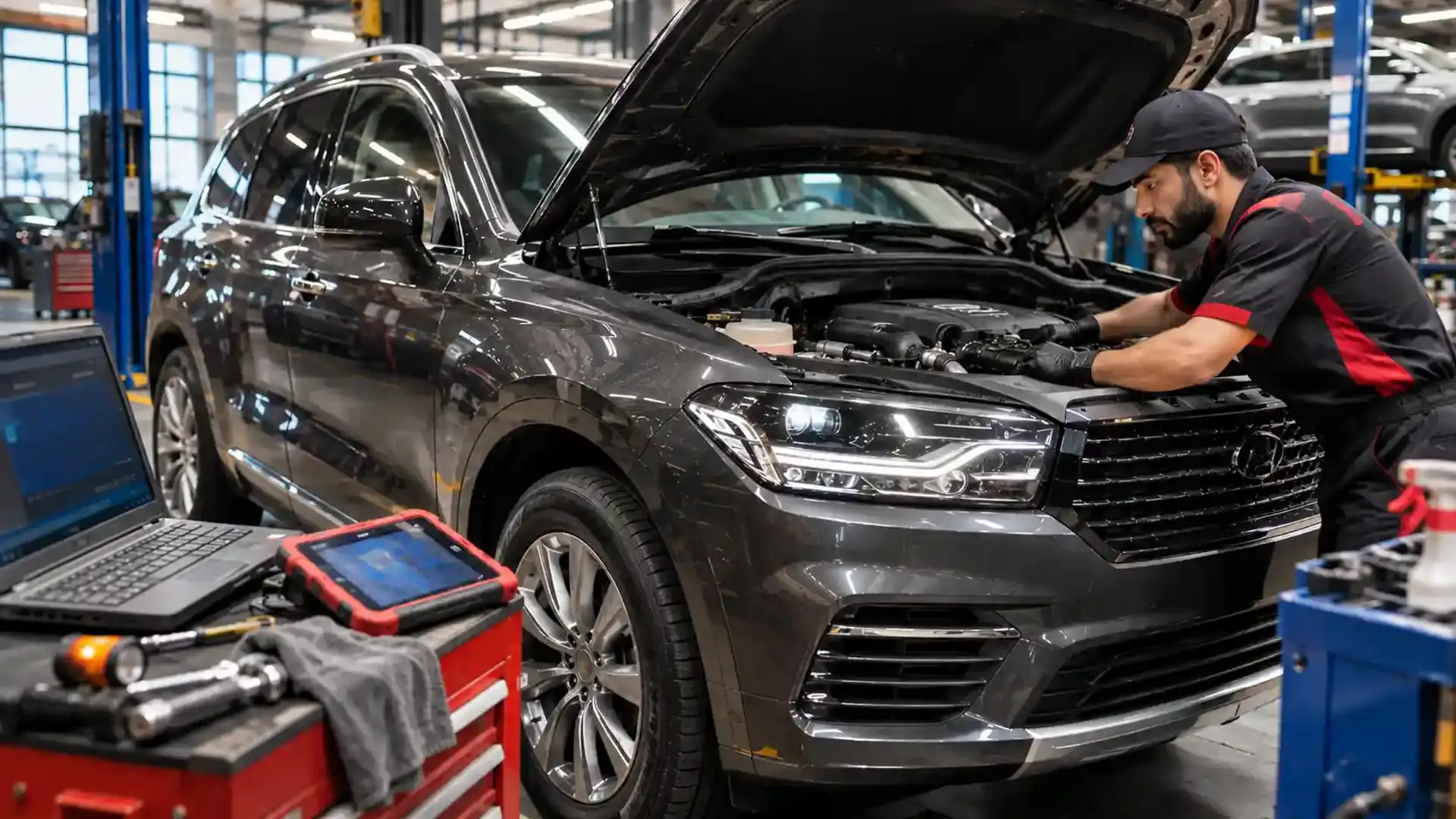
A visual check catches obvious signs. A professional inspection adds measurements. Our pre-purchase inspection records a paint reading on every panel, shows which panels were repainted and whether filler was used, and backs each finding with a photo.
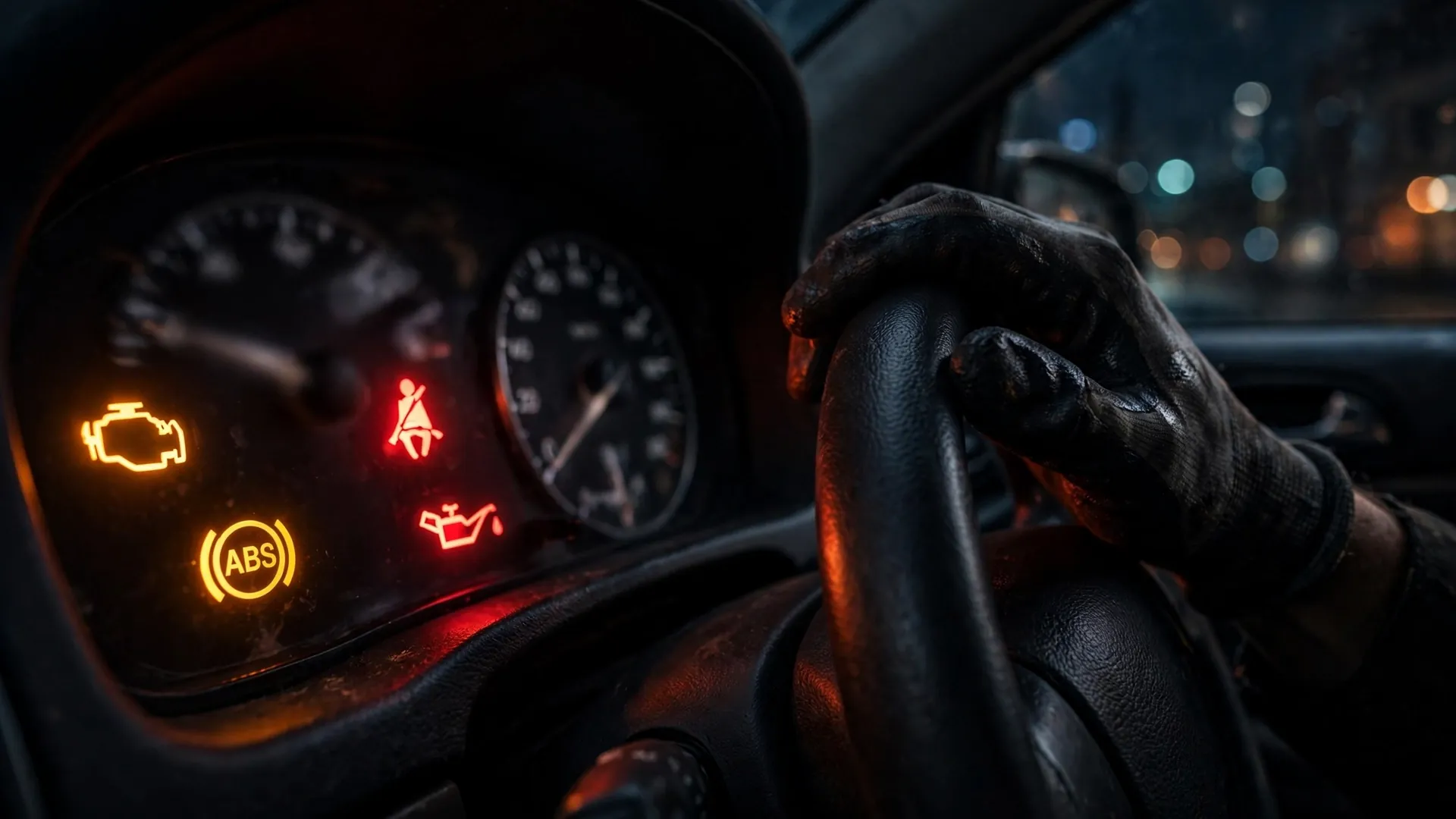
The inspector also checks the airbag and safety systems through a computer scan of 20 or more control modules where supported, then road tests the car for pulling or noises that point to structural issues.
Frequently Asked Questions
Is it bad to buy a used car with a repainted panel?
Not always. A single repainted bumper or door after a minor scratch is common. The concern is heavy filler, structural welds, or repairs the seller did not disclose.
Can a paint thickness gauge detect all repairs?
It detects most repaints and filler on metal panels. Plastic bumpers and some carbon parts need visual checks instead. Combining gauge readings with panel gaps and bolt checks gives the clearest picture.
How can I check a car's accident history in Dubai?
Ask the seller for repair invoices and insurance claim records. Official vehicle records and a VIN check can also help. A physical inspection then confirms whether the repairs match the history.
Does a repaired car have lower resale value?
Yes, in most cases. Buyers and dealers pay less for cars with major body repairs, even when the work is good. Undisclosed repairs can also cause disputes later.
Should I walk away from a car with structural repairs?
In most cases, yes, unless the price reflects it and a specialist confirms the repair quality. Structural damage affects crash safety. It is safer to choose a car with original structure.
Conclusion
The signs a used car has had major body repairs are often small: a wider gap, a duller panel, a marked bolt, or a newer window. Paint thickness readings turn those hints into hard evidence. Spotting them before you pay protects your safety, your budget and your resale value.
Not sure about a car's body history? Book a mobile pre-purchase inspection with Pre-Purchase Car Inspection Dubai. We measure paint on every panel, check the structure and safety systems, and send a same-day report with photos and a clear buy, negotiate, or walk away verdict, laid out panel by panel like the sample report.