Buying a used car can be a good way to get a reliable vehicle without paying the price of a new one. However, a car that looks clean and runs well may still have hidden faults that can lead to expensive repairs.
The main red flags in a used car inspection include engine noise, gearbox trouble, fluid leaks, accident damage, and unusual dashboard warning lights. Worn tyres, poor air conditioning, signs of water damage, and missing service records can also point to problems.
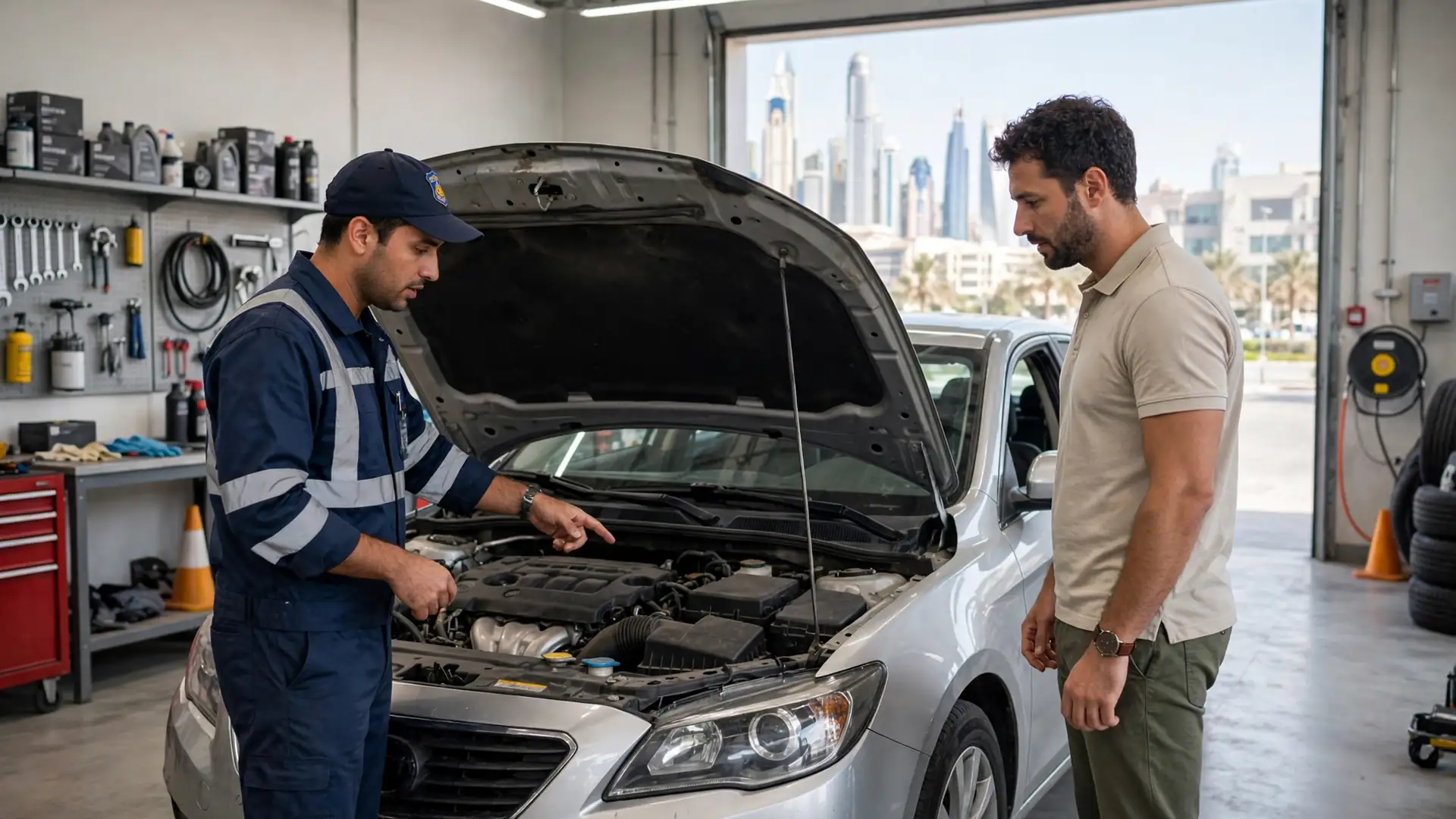
These issues are worth checking carefully before you agree to buy. In Dubai, high temperatures and heavy traffic can put extra pressure on engines, batteries, cooling systems, and tyres. A professional pre-purchase inspection helps you find existing faults, understand possible repair costs, and decide whether the car is worth buying.
Why Is It Important to Recognise Red Flags in a Used Car?
A used car may look good from the outside but have problems that are difficult to see without a closer check. Previous owners may have delayed repairs, skipped regular servicing, or fixed visible damage without addressing the cause.
Some faults may only appear when the engine becomes warm, or the car is driven at different speeds. Recognising warning signs before buying helps you avoid unexpected costs and safety risks.
It also gives you a chance to ask the seller questions and request an independent inspection. Not every issue means you should reject the car, but serious mechanical or structural faults need proper checks before you make a decision.
Most Warning Red Flags in a Used Car Inspection
Check01Engine Noise and Poor Performance
Unusual engine sounds are among the most important warning signs during a used car inspection. Knocking, rattling, or repeated ticking may point to worn engine parts, poor lubrication, or another mechanical fault. An engine that struggles to start, shakes while idling, or loses power during acceleration also needs attention.
Check whether the engine starts smoothly and runs steadily. Watch for unusual exhaust smoke and look for oil leaks around visible engine parts.
Blue smoke may suggest that the engine is burning oil, while persistent thick white smoke after warm-up can point to a coolant problem. These signs are not enough to confirm a fault, so a mechanic may need to carry out further tests.
Check02Gearbox Problems and Rough Shifting
The gearbox is another expensive component to repair, making unusual gear changes a serious red flag. During a test drive, check whether an automatic gearbox changes gears smoothly. Delayed engagement, sudden jerks, slipping, or unusual whining sounds may point to a problem that needs further investigation.
For manual cars, pay attention to grinding noises, difficulty selecting gears, or a clutch that slips under acceleration. Some gearbox faults become more noticeable after the car warms up, so a short drive may not reveal the full problem.
Ask a mechanic to check the transmission if anything feels unusual. Before buying, find out whether the fault needs a simple repair or a more costly gearbox replacement.
Check03Oil Leaks and Low Fluid Levels
Fluid leaks can reveal problems with the engine, gearbox, cooling system, or other parts. Dark stains beneath the engine may indicate an oil leak, while coloured residue near the radiator or hoses may suggest coolant leakage. Transmission fluid can also leak from seals, pipes, or connections.
Check the ground where the car is parked and look for visible wet patches around accessible parts. Low engine oil or coolant levels can also be a warning sign, although the reason may vary.
A mechanic can locate the source of a leak and check whether it has caused further damage. Do not assume that a small leak is harmless without knowing what is leaking and why.
Check04Signs of Previous Accident Damage
A car may have been repaired after an accident and still look attractive. Look for uneven gaps between body panels, differences in paint colour, loose trim, damaged lights, or doors that do not close properly.
These signs may indicate previous bodywork, although they do not always mean the car has suffered major damage. A professional inspection can check the body panels and visible structural areas for signs of poor repairs.
A paint thickness gauge may help identify repainted sections, while a closer structural check may be needed if serious damage is suspected. Ask the seller about previous accidents and request repair records where available. If the car has possible structural damage, do not rely on appearance alone to judge whether it is safe.
Check05Uneven Tyre Wear and Wheel Damage
Tyres provide important clues about a car's condition. Uneven tread wear may point to poor wheel alignment, incorrect tyre pressure, worn suspension parts, or steering problems. Cracks, bulges, cuts, and exposed cords are also warning signs that may affect road safety.
Inspect all four tyres and check the wheels for visible bends or damage. In Dubai, high road temperatures make tyre condition especially important.
Check the tyre date code where readable, as tyres can age even when the tread looks acceptable. If the tyres have worn unevenly, ask a mechanic to find the cause instead of replacing them without checking the suspension and alignment.
Check06Dashboard Warning Lights
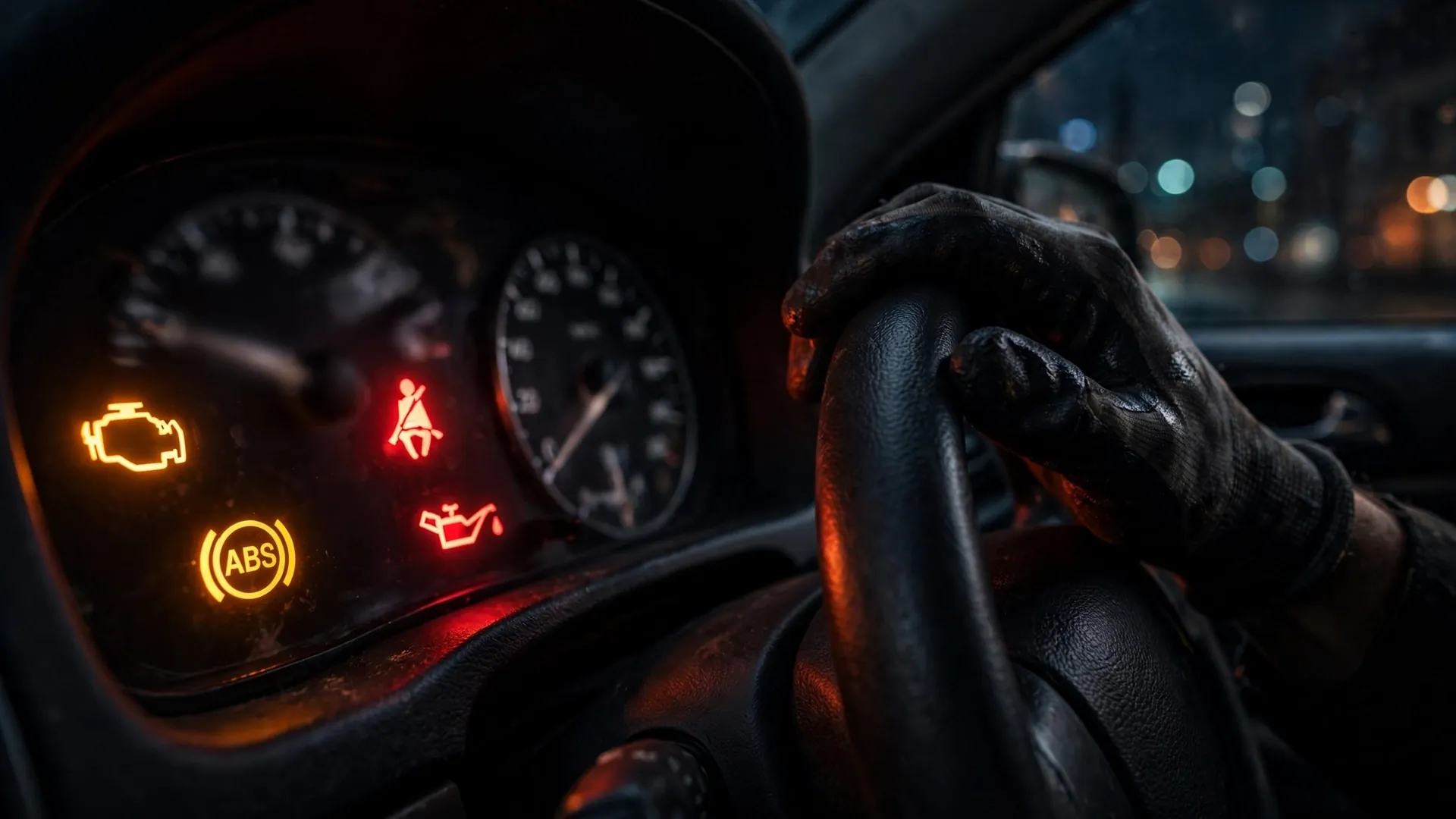
Dashboard warning lights can alert you to faults in the engine, brakes, airbags, battery, and other systems. A check engine light may relate to several engine or emissions issues, while an ABS or airbag warning light may indicate a fault in a safety system.
Make sure the warning lights behave as expected when the ignition is switched on and the engine starts. If a warning light stays on, ask for a diagnostic check before buying the car.
A mechanic can use a scanner to read stored fault codes and carry out further tests. A dashboard without warning lights does not guarantee that every system is working correctly, so a full inspection is still important.
Check07Overheating and Cooling System Faults
Dubai's hot weather can put extra pressure on the engine cooling system. The radiator, coolant pump, thermostat, cooling fan, and hoses work together to control engine temperature.
A fault in any of these parts may cause overheating, especially during heavy traffic or long drives. Watch the temperature gauge during the test drive and look for coolant stains around the radiator and hoses.
A low coolant level, damaged hose, or cooling fan that does not work properly needs attention. Never open the coolant cap while the engine is hot. A mechanic can test the cooling system and look for signs of previous overheating, which may have caused serious engine damage.
Check08Poor Air Conditioning Performance
A weak air conditioning system is a concern for anyone buying a car in Dubai. Start the AC and check whether the cabin cools within a reasonable time. Listen for unusual compressor noises and test different fan speeds to make sure the airflow is strong and the controls work properly.
Weak cooling may result from low refrigerant, a refrigerant leak, a faulty compressor, a blocked condenser, or an electrical problem.
Simply adding refrigerant may not solve the issue if there is a leak. Ask a mechanic to inspect the system and explain the likely repair cost. A working AC system is important for comfort, but it should also be checked for signs of wear that may lead to future repairs.
Check09Signs of Flood or Water Damage
Water damage can affect a car's wiring, electronic control units, sensors, and interior materials. Some faults may appear long after the car has dried, making flood damage difficult to identify during a quick visit.
Look for damp carpets, a musty smell, water marks, unusual rust around seat mounts, or mud in hidden areas. Check the boot and the space around the spare wheel as well.
These signs do not prove that the car was flooded, but they should be investigated. A professional mechanic can inspect accessible areas and scan the electrical systems for faults. If there are strong signs of water damage, arrange further checks before making a decision.
Check10Missing Service Records and Unclear Mileage
Service records help show whether a car has received regular maintenance. Missing records can make it harder to confirm when the engine oil, coolant, brakes, and other parts were last serviced.
Ask the seller for maintenance invoices and compare the recorded mileage with the current odometer reading. Also check whether the steering wheel, pedals, and driver's seat appear consistent with the stated mileage.
Heavy wear on a car with unusually low recorded mileage may need further investigation. However, wear depends on driving habits and does not prove that the mileage has been changed. Where possible, review official records and arrange a professional inspection to assess whether the car's condition matches its history.
Check11Worn Brakes and Suspension Components
Brakes and suspension parts directly affect safety and handling. Listen for grinding or squealing when braking and notice whether the car pulls to one side or shakes when slowing down.
Knocking sounds over bumps may point to worn suspension joints, damaged bushes, or faulty shock absorbers. A mechanic can inspect the brake pads, discs, steering parts, and suspension components for wear or damage.
Some problems may not be obvious during a short drive, so a workshop check is useful. If the brakes feel weak or the steering is unstable, do not ignore the problem because the car is inexpensive. Get the fault assessed and repaired before regular use.
Check12Electrical Features That Do Not Work
Modern cars have many electrical features, including power windows, central locking, parking sensors, reversing cameras, and touchscreen systems.
Test the main features before buying and check that the headlights, indicators, brake lights, horn, and dashboard controls work properly.
One faulty feature may have a simple cause, but several electrical problems can point to damaged wiring, a weak battery, or previous water exposure. Repairs can be costly in cars with advanced electronic systems.
Ask a mechanic to scan the vehicle and investigate any faults. Do not assume that a non-working feature will be cheap to fix until the cause has been identified.
Check13Unusual Smells Inside the Car
Strange smells can provide useful clues about a car's condition. A musty smell may suggest moisture inside the cabin, while a strong fuel smell could indicate a leak or another fuel system issue.
A burning smell may come from overheated electrical parts, brakes, or other components. Check the carpets, seats, boot, and air conditioning vents for unusual smells. Ask the seller whether any repairs have recently been carried out.
A recently cleaned cabin may hide some smells for a short time, so pay attention to other signs such as damp carpets or visible stains. If the smell suggests fuel leakage or an electrical fault, have the car checked before driving it further.
Check14Seller Refuses an Independent Inspection
A seller's refusal to allow an independent inspection is a reason to be cautious. A proper check gives both sides a clearer picture of the car's condition.
If the seller pressures you to pay quickly, avoids questions about its history, or will not allow a reasonable test drive, do not rush into the purchase.
There may be practical reasons for some limits, so ask for a clear explanation. However, you should be able to verify important details before making a major payment.
If the seller will not allow an inspection at a suitable workshop, consider looking at another car. It is better to miss a possible deal than to take a risk you cannot properly assess.
How a Professional Pre-Purchase Inspection Helps Find Red Flags
A basic visual check can reveal obvious damage, but some problems need specialist tools and mechanical knowledge.
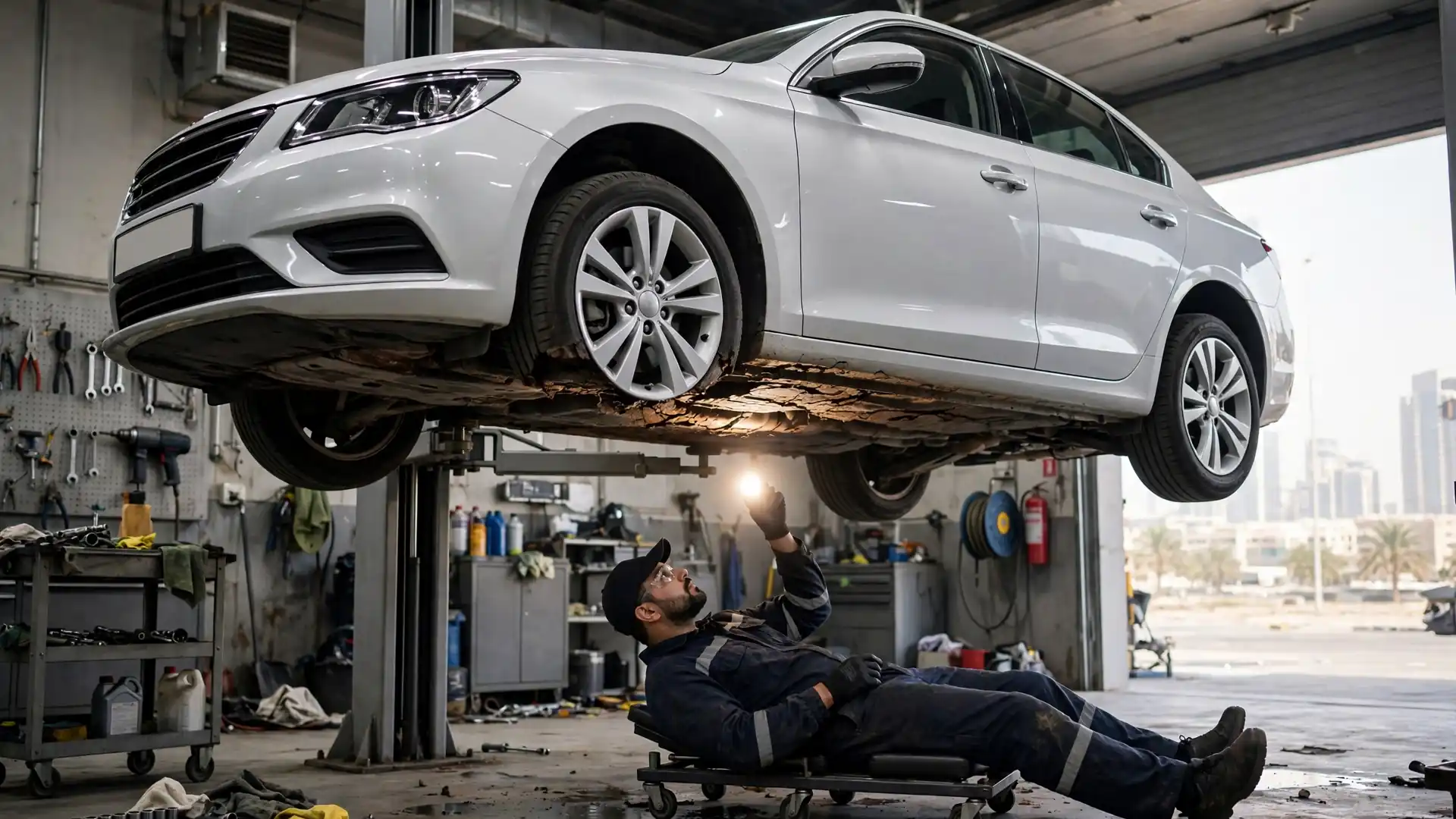
A professional pre-purchase inspection may include engine and gearbox checks, brake and suspension checks, electrical diagnostics, an underbody inspection, and a road test. The inspector may also look for signs of accident damage and poor repairs.
The findings should be explained in a report that separates serious faults from normal wear. This helps you understand which repairs are urgent and which may be needed later.
Some problems require extra testing before the cause can be confirmed. Although no inspection can guarantee that a car will never develop a fault, it can reduce the risk of buying a vehicle with serious existing problems.
What Should You Do If You Find a Red Flag?
Finding a warning sign does not always mean you must reject the car. The right choice depends on the type of fault, its repair cost, and the car's overall value. Ask a qualified mechanic to explain the issue and whether it affects safety or reliability.
Use these steps to make a careful decision:
- Minor cosmetic damage: Consider whether the price reflects the condition.
- Worn tyres or brakes: Get a repair estimate and make sure safety issues are addressed.
- Engine or gearbox problems: Request a detailed diagnosis before discussing the price.
- Unclear accident history: Arrange a closer body and structural inspection.
- Possible flood damage: Seek specialist checks of the wiring and electronic systems.
- Major structural or mechanical faults: Compare the cost and risk with other cars before proceeding.
Do not rely on the seller's promise to fix a fault later without clear proof of the repair. If a serious issue remains unexplained, walking away may be the safer option.
Conclusion
The main red flags in a used car inspection include engine noise, gearbox faults, fluid leaks, accident damage, uneven tyre wear, dashboard warning lights, overheating, and signs of water damage. Missing service records, unclear mileage, poor AC performance, and electrical problems also deserve attention. In Dubai, hot weather makes the cooling system, battery, and tyres especially important.
Always check the documents, examine the car carefully, and take a safe test drive before making an offer. If you find anything unusual, ask a mechanic to confirm the cause and estimate the repair cost. A professional inspection can help you avoid costly surprises and make a better buying decision.
Planning to buy a used car in Dubai? Contact Pre Purchase Inspection to arrange a professional pre-purchase vehicle check. Get important systems inspected, understand the car's condition, and make a more informed decision before you pay.