Buying a used car can be a smart way to save money while getting a car that meets your needs. However, a car that looks clean and runs well during a short test drive may still have hidden problems. These issues can lead to costly repairs after you buy it.
Used cars in Dubai need a professional pre-purchase inspection because high temperatures can affect engines, batteries, tyres, and cooling systems. A trained mechanic can find hidden faults that may not be easy to spot during a basic check.
The inspection can also reveal signs of past accidents, poor repairs, and possible flood damage. It helps you understand the car's real condition before paying for it. This gives you a clearer idea of future repair costs and helps you make a safer buying decision.
Why Is a Professional Pre-Purchase Inspection Important in Dubai?
Dubai has a large used car market, with many models available from private sellers and car dealers. While some cars are well maintained, others may have missed regular servicing or may have hidden faults. A professional inspection checks important parts of the car before you agree to buy it.
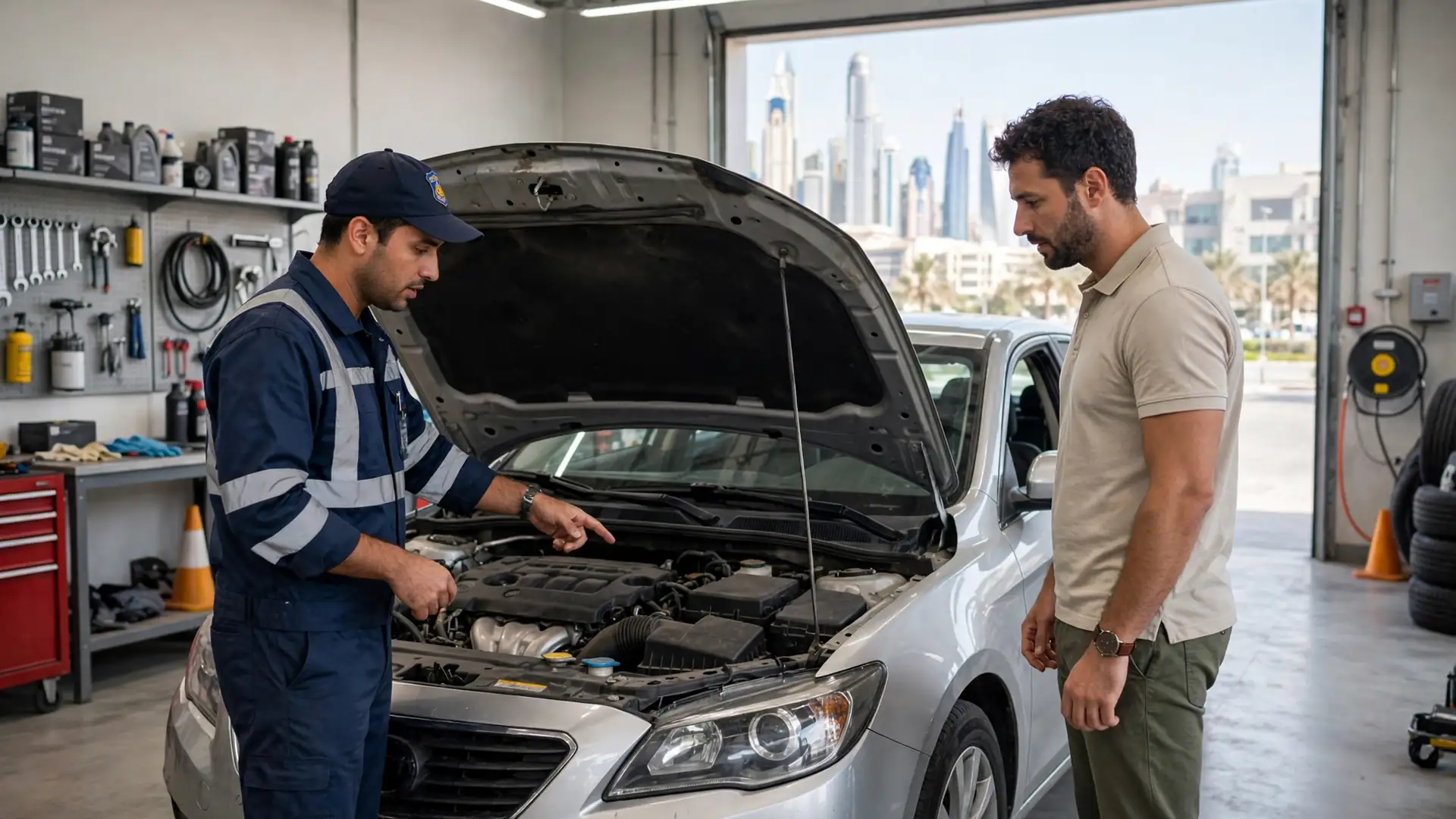
The mechanic examines the engine, gearbox, brakes, suspension, tyres, electrical systems, and other key parts. They may also use diagnostic tools to read fault codes stored in the car's computer.
This process gives you a better view of the car's condition than its appearance or service history alone. It can also help you decide whether the asking price is fair.
How Dubai's Weather Affects Used Cars
Dubai's hot weather puts extra pressure on many car parts. Temperatures can rise sharply during summer, and cars may spend long hours parked outdoors.
Over time, this heat can affect rubber parts, fluids, batteries, and the cooling system. Dust and sand can also enter some parts if air filters and seals are not kept in good condition.
A professional inspection checks for signs of heat-related wear. The mechanic may test the cooling system, check engine oil, inspect hoses, and examine the battery. These checks matter because a car can seem fine on a short drive but show problems after longer use or during heavy traffic.
Engine Overheating and Cooling System Problems
The cooling system helps keep the engine within a safe temperature range. It includes parts such as the radiator, coolant pump, thermostat, cooling fan, and hoses.
If any of these parts fail, the engine may overheat, especially in hot weather or slow-moving traffic. During an inspection, the mechanic checks the coolant level, looks for leaks, and checks the condition of the radiator and hoses.
They may also test the cooling fan and use diagnostic equipment to check engine temperature readings. Signs of old coolant, damaged hoses, or past overheating need further checks before you decide to buy the car.
Battery, Tyre, and Rubber Part Wear
High temperatures can shorten battery life and speed up the ageing of rubber parts. A weak battery may cause slow engine starting, while old tyres can have cracks or damaged sidewalls even if their tread looks acceptable.
Belts, seals, and hoses may also become hard or brittle with age and heat. A mechanic can test the battery's health and charging system, check tyre tread depth, and look for uneven wear or sidewall damage.
They can also inspect visible belts and rubber hoses for cracks. These checks help you spot parts that may need replacement soon, so you can include the expected cost in your buying decision.
Signs a Used Car Needs a Thorough Inspection
Not every problem is easy to notice when you first see a car. Some sellers may not know about every fault, while others may focus on the car's clean appearance rather than its mechanical condition. A careful inspection can help uncover warning signs before you make a payment.
Look for unusual engine sounds, warning lights, uneven panel gaps, fluid stains, worn tyres, or a strong smell inside the cabin.
These signs do not always mean that the car is in poor condition, but they should be checked. The following issues deserve extra attention during a pre-purchase inspection.
Signs of Previous Accident Damage
A car may have been in an accident even if it looks clean after repairs. Poor bodywork can hide damage to the frame, suspension mounting points, or other important parts.
Differences in paint colour, uneven gaps between panels, and loose trim may suggest that some parts have been repaired or replaced.
A professional inspector checks the body panels, paint finish, lights, doors, and visible structural areas for signs of damage.
A paint thickness gauge may help identify areas that have been repainted. However, paint readings alone cannot prove that a car has been in an accident. Serious concerns may need a more detailed structural check.
Warning Lights and Hidden Engine Faults
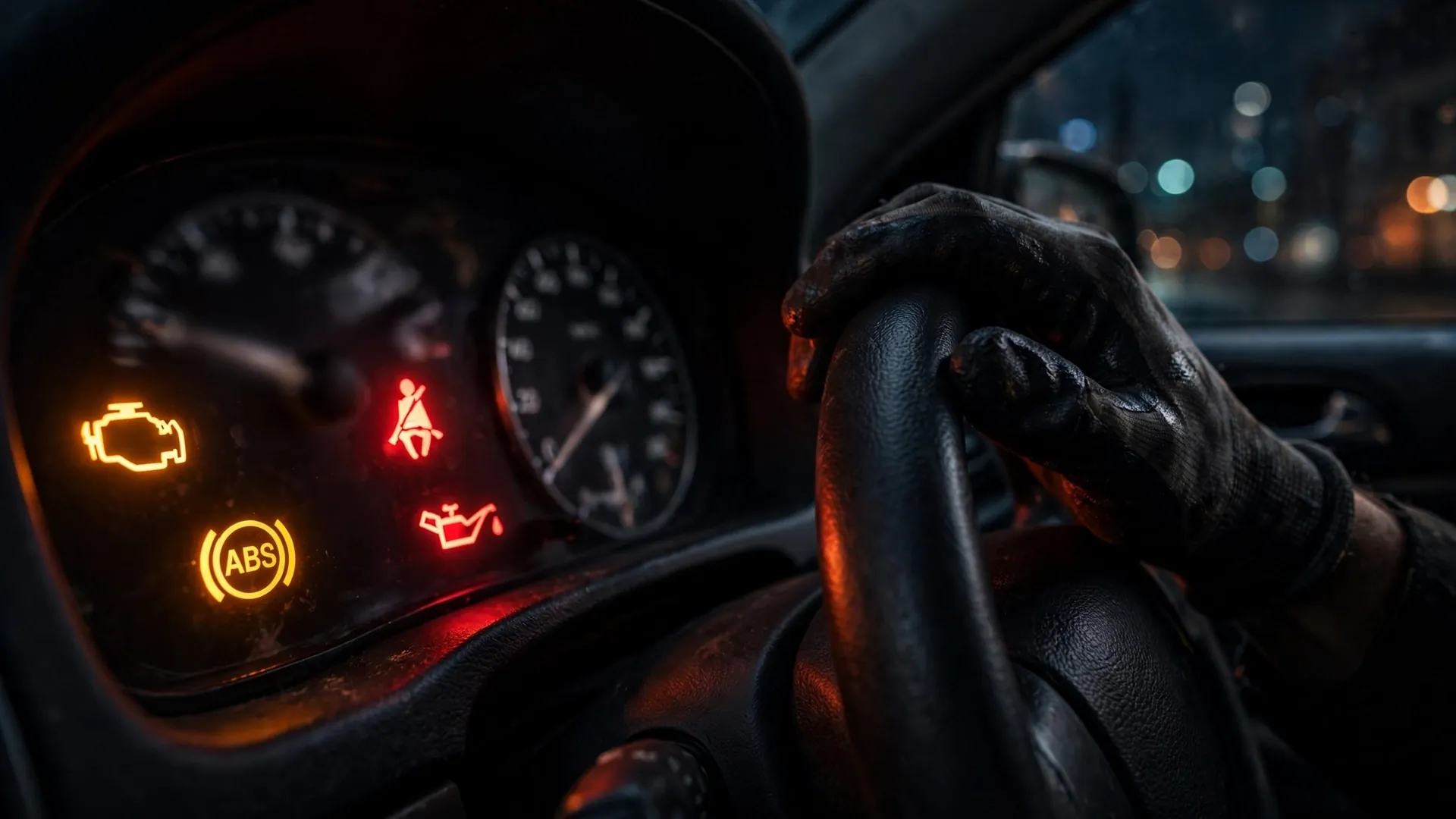
Dashboard warning lights can point to problems with the engine, airbags, brakes, or other systems. Some faults may not appear until the car has been driven for a while.
A seller may also have cleared stored fault codes before showing the car, so a dashboard without warning lights does not guarantee that every system is working properly.
A mechanic can connect an OBD-II scanner to the car's diagnostic port to check stored fault codes and available system data.
They may also review readiness monitors, which can show whether certain self-checks have been completed. The results need to be read carefully because a fault code points to a possible problem, not always the exact part that has failed.
Signs of Flood or Water Damage
Water damage can cause serious problems in a car's electrical systems, wiring, sensors, and interior. Moisture trapped under carpets or inside connectors may lead to faults long after the car has been cleaned.
Rust in unusual places, water marks, damp smells, and mud under seats may raise concerns. A professional inspection checks the cabin, boot, wiring areas, seat mounts, and other accessible sections for signs of water exposure.
The mechanic may also scan electronic systems for faults. Not every sign proves flood damage, and some areas may be difficult to inspect without removing parts. If there are strong warning signs, further checks are important before buying.
What Does a Professional Used Car Inspection Cover?
A full pre-purchase inspection covers more than a visual check of the outside and inside of the car. The exact process depends on the model, age, mileage, and type of vehicle. A trained mechanic checks the main systems and reports faults that may affect safety, reliability, or repair costs.
The inspection may include a road test, computer diagnostics, fluid checks, and a review of visible wear. Some checks require specialist tools, while others depend on the mechanic's experience.
A good report should explain the condition of important parts, identify concerns, and separate urgent faults from normal wear that may develop over time.
Engine and Gearbox Condition
The engine and gearbox are among the most costly parts to repair or replace. A mechanic checks for oil leaks, unusual noises, rough idling, smoke from the exhaust, and signs of poor maintenance.
They may also examine engine mounts, fluid levels, and other visible parts. During the road test, the inspector checks how the engine responds to acceleration and whether the gearbox changes gears smoothly.
Delayed gear engagement, slipping, jerking, or unusual sounds may point to a fault. Some problems only appear when the engine and gearbox become warm, so a proper test drive is an important part of the process.
Brakes, Suspension, and Steering
Brakes, suspension, and steering affect how safely a car responds on the road. Worn brake pads, damaged discs, leaking shock absorbers, and loose suspension joints can affect control and comfort.
Uneven tyre wear may also point to wheel alignment problems or worn suspension parts. The mechanic checks visible brake parts, steering components, suspension joints, and shock absorbers for wear or damage.
During a road test, they may look for pulling to one side, steering vibration, unusual knocking sounds, or poor braking response. Any serious safety issue should be fixed before the car is used regularly.
Air Conditioning and Electrical Systems
A working air conditioning system is important in Dubai, where cabin temperatures can become very high. However, cold air alone does not prove that the system is in good condition.
Weak cooling may be linked to a refrigerant leak, a faulty compressor, a blocked condenser, or an electrical problem. An inspector checks how well the AC cools the cabin and looks for signs of leaks or unusual noise.
They may also test power windows, lights, central locking, parking sensors, cameras, and other electrical features. These checks help identify faults that could be expensive to repair, especially in cars with advanced electronic systems.
Tyres, Wheels, and Underbody Parts
Tyres and wheels affect grip, braking, and road comfort. The inspector checks tread depth, tyre age where readable, cracks, bulges, and uneven wear.
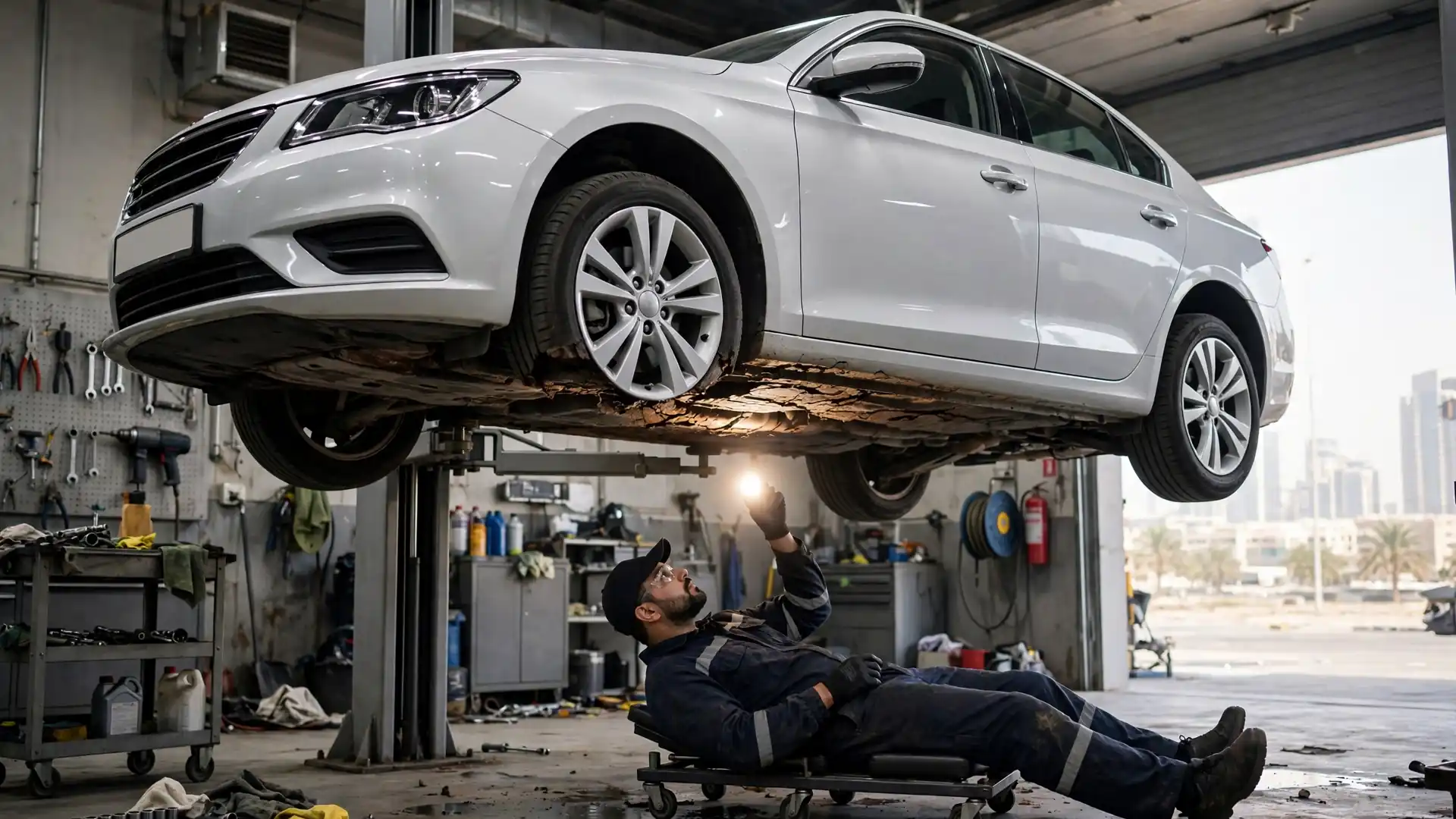
Different tyre brands or sizes may also need attention if they do not match the vehicle's requirements. The underbody check looks for oil leaks, damage to protective covers, corrosion, and signs of poor repairs.
It may reveal problems that are difficult to see when the car is parked on a normal road. A lift allows the mechanic to inspect more areas safely. Any signs of major damage should be explained in the final report.
How a Pre-Purchase Inspection Helps You Avoid Extra Costs
A low purchase price does not always mean a good deal. A car that needs a new gearbox, cooling system repairs, tyres, or suspension parts may cost much more than expected after purchase.
A professional inspection helps you understand these possible expenses before you commit to the sale. For example, a used car may have worn tyres and weak air conditioning even though the engine runs well.
Knowing about these issues gives you a chance to ask for repairs or discuss the price with the seller. The inspection cannot predict every future fault, but it can reduce the risk of buying a car with major problems that are already present.
Use the Inspection Report to Negotiate the Price
An inspection report gives you clear details to discuss with the seller. Instead of relying on guesses, you can point to specific issues such as leaking fluids, worn brake pads, damaged tyres, or gearbox faults.
Ask the inspector to explain which repairs are urgent and which can wait. You can then request that the seller fix certain issues or lower the asking price to reflect the repair costs.
Major engine, gearbox, or structural problems may be a reason to walk away. Do not accept promises without checking the repair work, especially when the issue affects safety or the long-term reliability of the car.
Check the Car's History and Documents
A mechanical inspection is important, but it should be combined with checks of the car's history and documents. Ask the seller for available service records, maintenance bills, ownership details, and information about past repairs.
Compare the recorded mileage with service documents and the condition of the steering wheel, pedals, seats, and other parts. Where available, use official vehicle services to check accident records, registration details, and other relevant information.
The checks you can access may depend on the vehicle's history and where it was registered. A clean report does not prove that a car has never been damaged, so document checks and a physical inspection should support each other.
Why Service Records Matter
Service records can show whether the previous owner followed the maker's maintenance schedule. Regular oil changes, coolant checks, brake service, and gearbox maintenance can help keep a car in good condition. Missing records do not always mean the car was poorly maintained, but they make it harder to confirm its past care.
A mechanic can compare the available records with the car's current condition. For example, fresh engine oil does not prove that all scheduled services were completed.
If a car has high mileage but very few service records, ask more questions and allow time for a closer inspection. Clear records can make it easier to understand how the car has been maintained.
Why a Test Drive Alone Is Not Enough
A test drive helps you judge how a car feels on the road, but it cannot replace a full mechanical check. A vehicle may accelerate well and have smooth steering while still suffering from hidden oil leaks, stored fault codes, damaged wiring, or early gearbox problems.
Some faults appear only under certain driving conditions. A professional inspection combines a road test with checks that cannot be completed from the driver's seat.
The mechanic can examine visible parts, use diagnostic tools, and look for signs of earlier repairs. If the seller refuses to allow an independent inspection, treat this as a reason to be cautious and consider another car.
How to Choose a Professional Pre-Purchase Inspection Service
Choose an inspection service with trained mechanics, suitable diagnostic tools, and experience with the type of car you want to buy. Luxury cars, hybrid models, and vehicles with advanced driver assistance systems may need specialist knowledge.
Ask what the inspection includes before booking, because the level of testing can vary between providers. Check whether the service includes a road test, computer diagnostics, underbody inspection, bodywork checks, and a written report.
Ask if any parts cannot be inspected without extra work. The inspector should explain the findings in simple language and avoid making promises about the car's future reliability. An independent assessment helps you make a decision based on the car's condition rather than the seller's claims.
Conclusion: Make a Safer Choice Before Buying a Used Car in Dubai
Used cars in Dubai need a professional pre-purchase inspection because heat, dust, heavy traffic, and past use can affect their condition. Hidden engine faults, gearbox problems, accident damage, worn tyres, and electrical issues may not be clear during a short visit. A trained mechanic can check these areas and help you understand the repairs that may be needed.
A proper inspection also gives you useful facts when comparing cars or negotiating the price. Combine the report with service records, document checks, and a careful test drive before making your final choice. No inspection can guarantee that a car will never develop a fault, but it can help you avoid many costly surprises.
Planning to buy a used car in Dubai? Contact Pre Purchase Inspection to arrange a professional vehicle check before you pay. Get a clearer picture of the car's condition, understand possible repair costs, and make your next purchase with greater confidence.