Buying a used car can save you money, but hidden problems can turn a good deal into an expensive mistake. A car may look clean, have a good interior, and drive well during a short test drive, yet still have serious faults.
A pre-purchase car inspection in Dubai checks the engine, gearbox, brakes, suspension, tyres, air conditioning, and electrical systems. A mechanic also looks for signs of previous accidents, poor repairs, oil leaks, and other hidden problems.
Diagnostic tools can help find faults stored in the car's computer. The inspection report helps you understand the car's condition, estimate possible repair costs, and decide whether it is worth buying.
This is especially useful in Dubai, where high temperatures, dust, and heavy traffic can put extra pressure on car parts.
What Is a Pre-Purchase Car Inspection?
A pre-purchase car inspection is a detailed check of a used car before you buy it. A trained mechanic examines its main parts to find damage, wear, and faults that may affect safety or performance.
The aim is to give you a clear picture of the car's current condition before you spend your money. The inspection usually includes a visual check, computer diagnostics, and a road test.
Depending on the car and the inspection package, the mechanic may also check the underside, paintwork, and service records. The findings are shared in a report that explains any problems and the repairs that may be needed.
What Does a Pre-Purchase Car Inspection Check?
A professional inspection covers several systems, not just the engine. Each part plays a role in the car's safety, comfort, and reliability. Some checks focus on parts that are easy to see, while others need special tools or a road test to find signs of trouble.
The exact checks depend on the car's make, model, age, mileage, and condition. However, a complete inspection should cover the main mechanical, electrical, and safety systems. The following sections explain what a mechanic usually checks before recommending whether a used car is ready to buy.
Check01Engine Condition and Performance
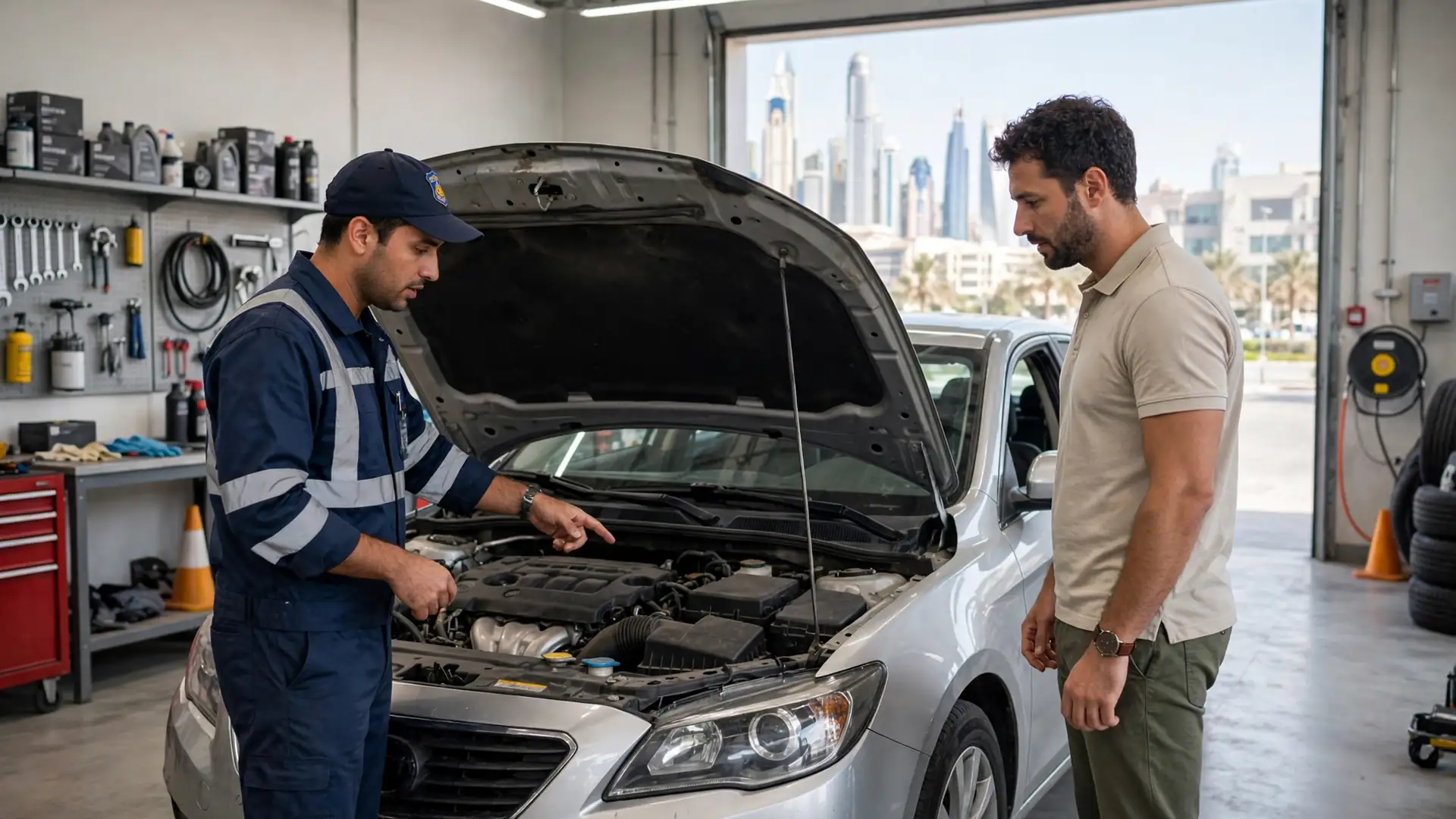
The engine is one of the most important parts checked during an inspection because major engine repairs can be costly. A mechanic looks for oil leaks, damaged hoses, worn belts, unusual noises, and signs of poor maintenance.
They may also check the engine oil level and condition, coolant level, and visible parts around the engine. The inspector may start the engine cold to check how easily it starts and whether it idles smoothly.
Blue smoke from the exhaust can point to oil burning, while thick white smoke after the engine warms up may suggest a coolant problem.
These signs need further checks because smoke can have different causes. The mechanic may recommend additional tests if there are signs of internal engine damage.
Check02Gearbox and Transmission
The gearbox transfers engine power to the wheels and helps the car move at different speeds. Problems with this system can lead to costly repairs, so it needs careful attention.
The mechanic checks for fluid leaks, unusual sounds, delayed gear changes, slipping, and rough shifts where these checks apply to the vehicle.
During a road test, the inspector checks how the gearbox responds when moving off, accelerating, slowing down, and changing between gears. For automatic cars, delayed engagement or sudden jerks may suggest a fault.
Manual cars are checked for clutch slip, hard gear changes, and unusual noises. Some gearbox problems appear only when the car becomes warm, so a short stationary check may not be enough.
Check03Brakes and Brake Components
The braking system is essential for safe driving, especially in busy Dubai traffic. A mechanic checks the visible condition of the brake pads, discs, calipers, and brake lines.
They also look for fluid leaks and signs of uneven wear. If the brake fluid is dirty or the level is low, the inspector may recommend further checks to find the cause.
During the road test, the mechanic checks whether the car slows down smoothly and stays under control when braking.
Grinding noises, vibration, or pulling to one side may point to a problem. The inspector may also check the parking brake and warning lights. Any fault that affects braking should be repaired before the car is driven regularly.
Check04Suspension and Steering System
The suspension system helps the car handle bumps and keeps the tyres in contact with the road. It includes parts such as shock absorbers, springs, control arms, and joints.
The steering system helps the driver control the direction of the car. Damage or wear in these areas can affect comfort, handling, and safety.
A mechanic looks for leaking shock absorbers, damaged rubber bushes, loose joints, and unusual tyre wear. During the test drive, they may check for knocking sounds, steering vibration, or a car that pulls to one side.
These signs can point to worn parts or alignment problems. A closer inspection may be needed to confirm the cause and estimate repair costs.
Check05Tyres, Wheels, and Wheel Alignment
Tyres affect grip, braking distance, and the way a car handles. A pre-purchase inspection checks the tread depth, sidewalls, air pressure, and visible damage. The mechanic looks for cuts, cracks, bulges, and uneven wear that may point to a tyre problem or another fault.
The inspector also checks the wheels for visible bends or damage. Uneven tyre wear can be linked to poor wheel alignment, worn suspension parts, or incorrect tyre pressure.
In Dubai, high road temperatures make tyre condition especially important. The mechanic may recommend replacing old or damaged tyres before the car is used regularly. A wheel alignment test may be needed if the steering or tyre wear suggests a problem.
Check06Car Air Conditioning System
A working air conditioning system is important in Dubai's hot climate. During the inspection, the mechanic runs the AC and checks how well it cools the cabin.
They may listen for unusual compressor noises, check airflow from the vents, and look for signs of leaks or damage around accessible AC parts.
Weak cooling can result from low refrigerant caused by a leak, a faulty compressor, a blocked condenser, or an electrical fault.
A cabin that takes too long to cool may also have problems with the blower or air controls. A basic cooling test can identify warning signs, but further testing may be needed to find the exact cause and cost of repair.
Check07Battery and Electrical Systems
Modern cars use electrical systems for starting, lighting, safety features, entertainment, and engine control. A mechanic checks the battery's condition and may test its ability to hold and deliver power.
The charging system is also checked to see whether the alternator is supplying the correct voltage. The inspector may test the headlights, indicators, brake lights, power windows, central locking, dashboard controls, parking sensors, and reversing camera.
They also look for warning lights and signs of damaged wiring where visible. High temperatures can affect battery life, so a battery that struggles to start the engine may need replacement. Any electrical fault should be checked to find out whether it is a simple issue or part of a larger problem.
Check08Computer Diagnostics and Warning Codes
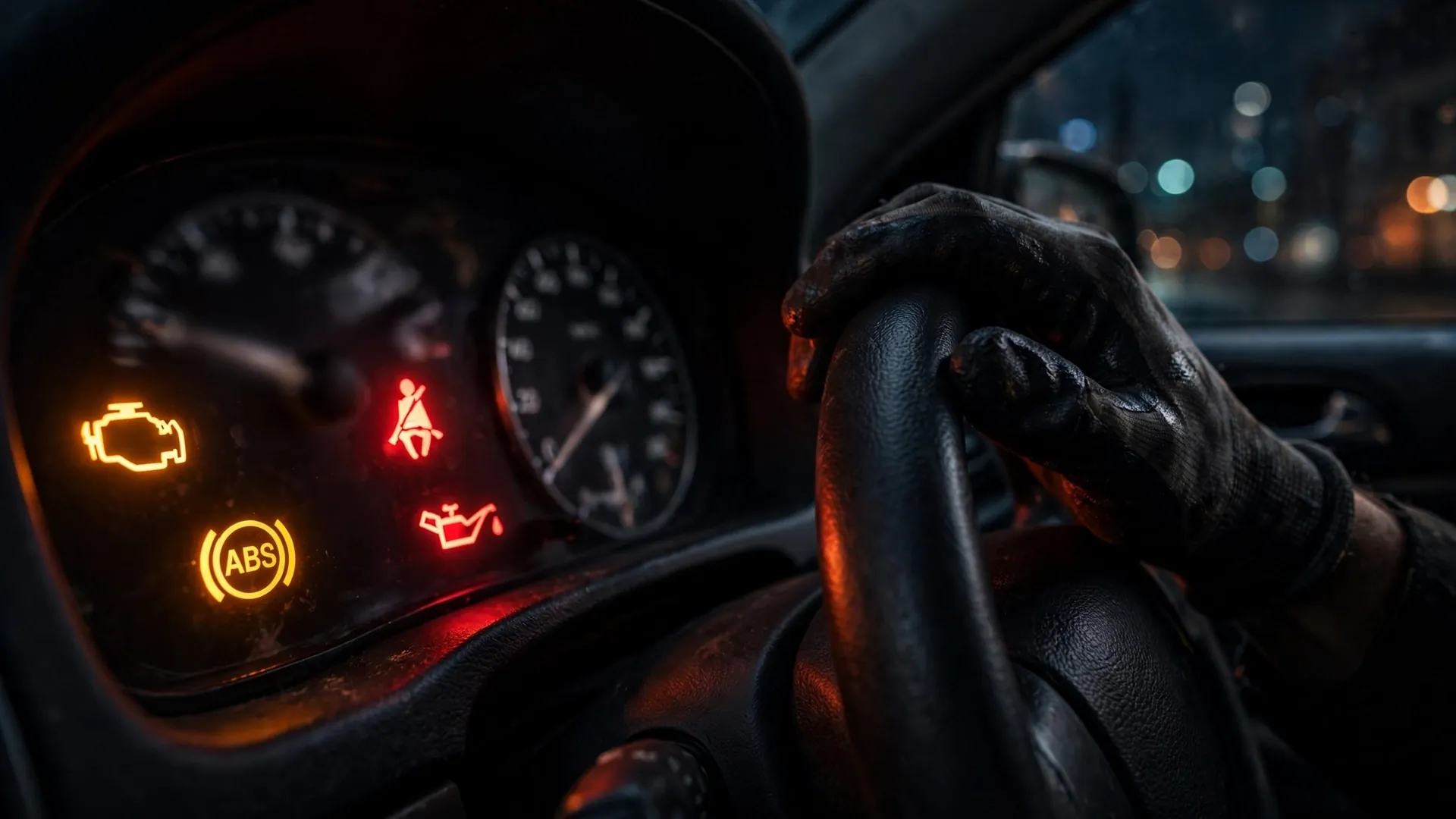
Many modern cars have electronic control units that monitor the engine, transmission, airbags, ABS brakes, and other systems. When a fault occurs, the car may store a diagnostic trouble code.
A mechanic can connect an OBD-II scanner or a suitable manufacturer-specific tool to read available codes and system information. The scan can help identify problems that may not be obvious during a visual check. However, a code does not always identify the exact faulty part.
The mechanic needs to review the code alongside symptoms and test results. They may also check readiness monitors, which show whether certain system self-tests have been completed. A clear scan alone does not guarantee that the car has no hidden faults.
Check09Bodywork, Paint, and Accident Damage
A car can look attractive after body repairs, even if it has been involved in a serious accident. A professional inspection checks the paint finish, body panels, doors, bonnet, boot, lights, and visible structural areas for signs of damage or poor repair work.
The mechanic looks for uneven panel gaps, differences in paint colour, overspray, dents, and signs that parts have been replaced. A paint thickness gauge may help find areas that have been repainted.
However, repainting does not always mean the car has suffered major damage. If the inspector finds concerns around structural parts, further checks may be needed to assess the extent of the damage and its effect on safety.
Check10Chassis and Underbody Inspection
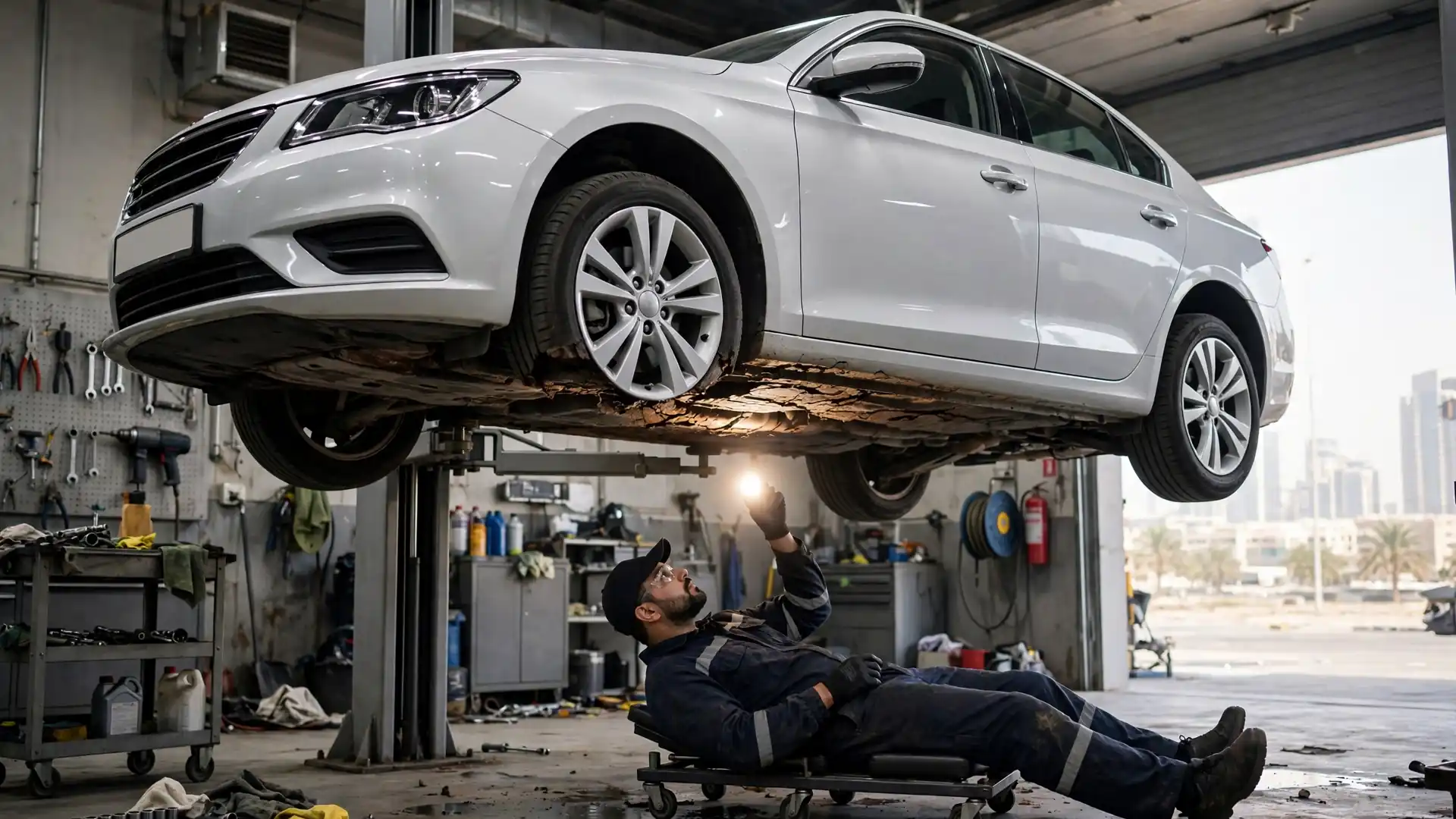
The underside of a car can reveal problems that are difficult to spot from outside. A mechanic checks accessible underbody areas for fluid leaks, damaged covers, bent parts, corrosion, and signs of poor repairs. They may also inspect visible suspension mounting points and other structural areas for damage.
An inspection lift can make it easier to see parts beneath the car. Oil or coolant stains may point to leaks, while damaged underbody parts can suggest contact with a kerb or road obstacle.
The inspector should explain any serious findings and recommend further checks where needed. Not every part can be assessed without removing covers or other components, so the report should make clear what was and was not checked.
Check11Interior, Seats, and Safety Features
The condition of the interior can provide clues about how the car was used and maintained. The inspector checks the seats, seat belts, dashboard, steering wheel, pedals, door controls, windows, and locks. They also look for water stains, damp smells, damaged trim, and signs of poor repairs.
Safety features need attention as well. The mechanic may check the airbag warning light, ABS warning light, seat belt operation, and other available safety systems.
A diagnostic scan can help find stored faults in electronic safety components. If the airbag light stays on or the system shows an error, the cause should be investigated before purchase. A clean interior is useful, but it does not prove that the car is mechanically sound.
Check12Signs of Flood or Water Damage
Water can damage wiring, electronic control units, sensors, and interior materials. Some faults appear long after the car has dried, which makes water damage important to check.
A mechanic looks for unusual rust, mud in hidden areas, water marks, damp carpets, and signs of moisture around accessible electrical connectors.
The boot, cabin, seat mounts, and areas under the carpets may need closer attention if there are warning signs. A diagnostic scan can also help identify electrical faults, although it cannot prove whether water caused them.
Not all flood damage is easy to spot during a basic inspection. If the car has signs of water exposure, ask for a more detailed check before making a decision.
Does a Pre-Purchase Inspection Check the Car's Mileage and History?
A physical inspection can help assess whether the car's condition seems consistent with its recorded mileage, but it cannot always confirm the true mileage.
The mechanic may compare the odometer reading with wear on the steering wheel, pedals, seats, and other parts. Service records and past inspection documents can provide more useful information.
Where available, check the vehicle identification number (VIN), service history, ownership documents, and official accident records. The VIN helps identify the car and can be used to compare details across available records.
A history check may not include every accident or repair, especially if the car was previously registered elsewhere. For this reason, document checks should be combined with a professional mechanical inspection.
Does the Inspection Include a Road Test?
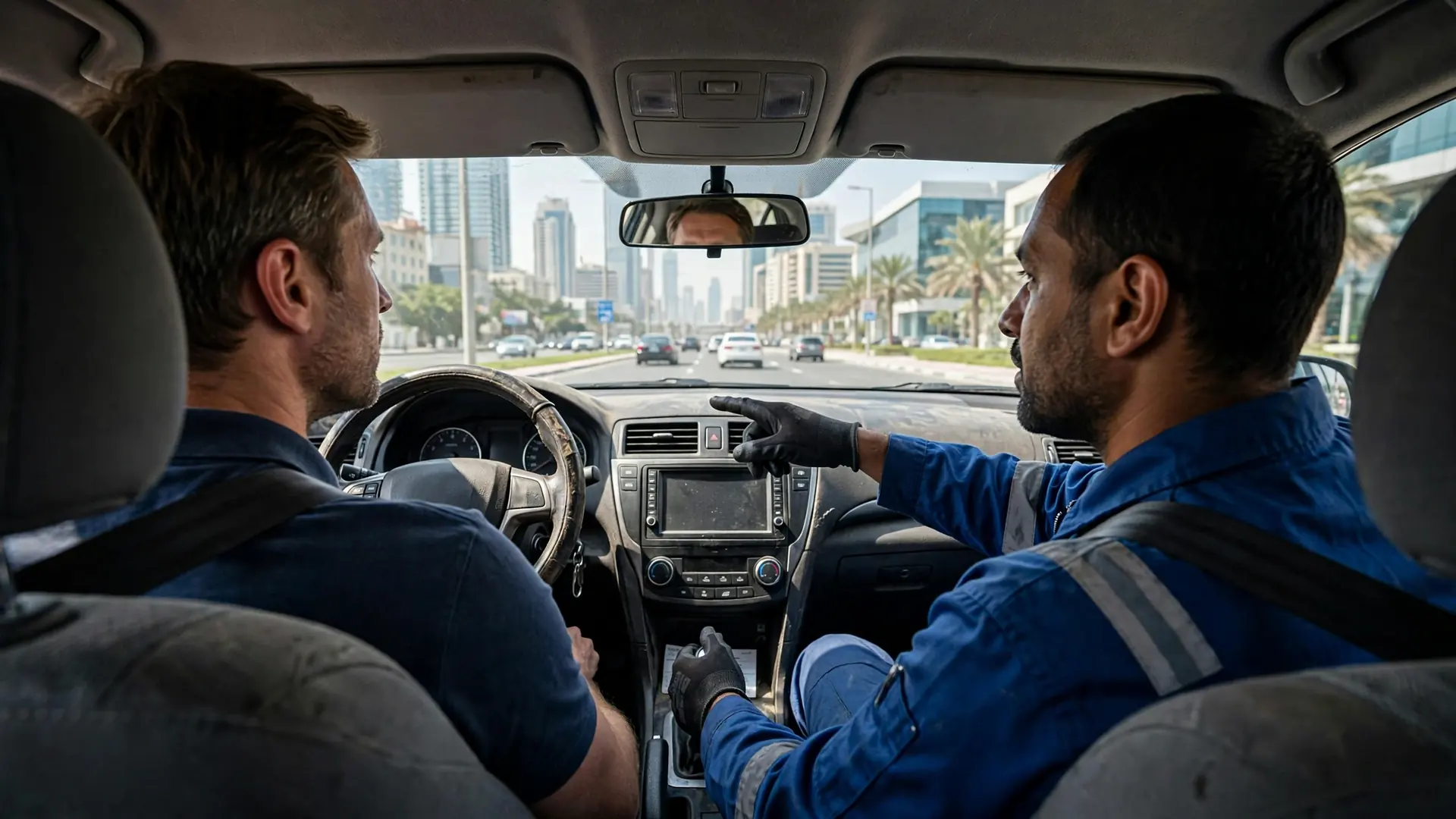
A road test is an important part of many pre-purchase inspections because some faults only appear while the car is moving. The mechanic may check acceleration, gear changes, braking, steering response, suspension noise, and overall handling.
They may also listen for rattles or vibrations that are not clear when the car is parked. The test should be carried out safely and with the seller's permission. The inspector may use different speeds and driving conditions where it is safe and suitable.
A road test does not replace a full inspection, as it cannot reveal every hidden fault. It works best when combined with visual checks, diagnostic scanning, and an underbody assessment.
What Is Included in the Final Inspection Report?
The inspection report should explain the car's condition in clear language. It may list faults, worn parts, signs of earlier repairs, diagnostic findings, and items that need further testing. Some providers include photos to show damage or leaks, making it easier to understand the results.
A useful report separates urgent safety concerns from normal wear and repairs that may be needed later. Ask the inspector to explain any technical terms you do not understand.
You can use the findings to compare the car with other options, estimate repair costs, and discuss the price with the seller. Remember that an inspection describes the car's condition at the time of testing and cannot guarantee that no future fault will occur.
How Long Does a Pre-Purchase Car Inspection Take?
The time needed depends on the car's condition, model, and inspection package. A basic check may take less time than a detailed inspection that includes a road test, computer diagnostics, paint checks, and an underbody assessment.
Cars with complex electrical systems may need extra testing if the mechanic finds warning signs. Before booking, ask the inspection provider how long the process usually takes and what checks are included.
Allow enough time for the mechanic to review the findings with you. If a major issue is found, extra testing may be needed before the cause and repair cost can be confirmed. It is better to take time for a careful check than to rush into a purchase.
Why Should You Get a Professional Inspection Before Buying a Used Car in Dubai?
A professional inspection helps you understand the car's condition before you commit to buying it. It can uncover mechanical faults, worn safety parts, signs of accident damage, and electrical issues that may not be clear during a short visit.
These findings can help you avoid unexpected repair bills and make a better choice. Dubai's hot weather also makes checks of the cooling system, battery, tyres, and air conditioning especially useful.
The inspection report gives you facts to discuss with the seller and helps you decide whether to proceed, negotiate, or look for another car. Although no check can guarantee a fault-free vehicle, a detailed assessment can reduce the risk of an expensive mistake.
Get a Professional Pre-Purchase Car Inspection in Dubai
Before paying for a used car, make sure you know what you are buying. A clean appearance and a smooth test drive do not always reveal hidden engine faults, gearbox problems, accident damage, or electrical issues. A professional check gives you a clearer view of the car's condition and the repairs it may need.
Planning to buy a used car in Dubai? Contact Pre Purchase Inspection to arrange a professional vehicle inspection. Get the engine, gearbox, brakes, suspension, electrical systems, and other important parts checked before you make your final decision. Protect your budget, understand the car's condition, and buy with greater confidence.